Warning Signs Your Sarasota Seawall Is Failing and What to Do Next: A Seawall Inspection Guide
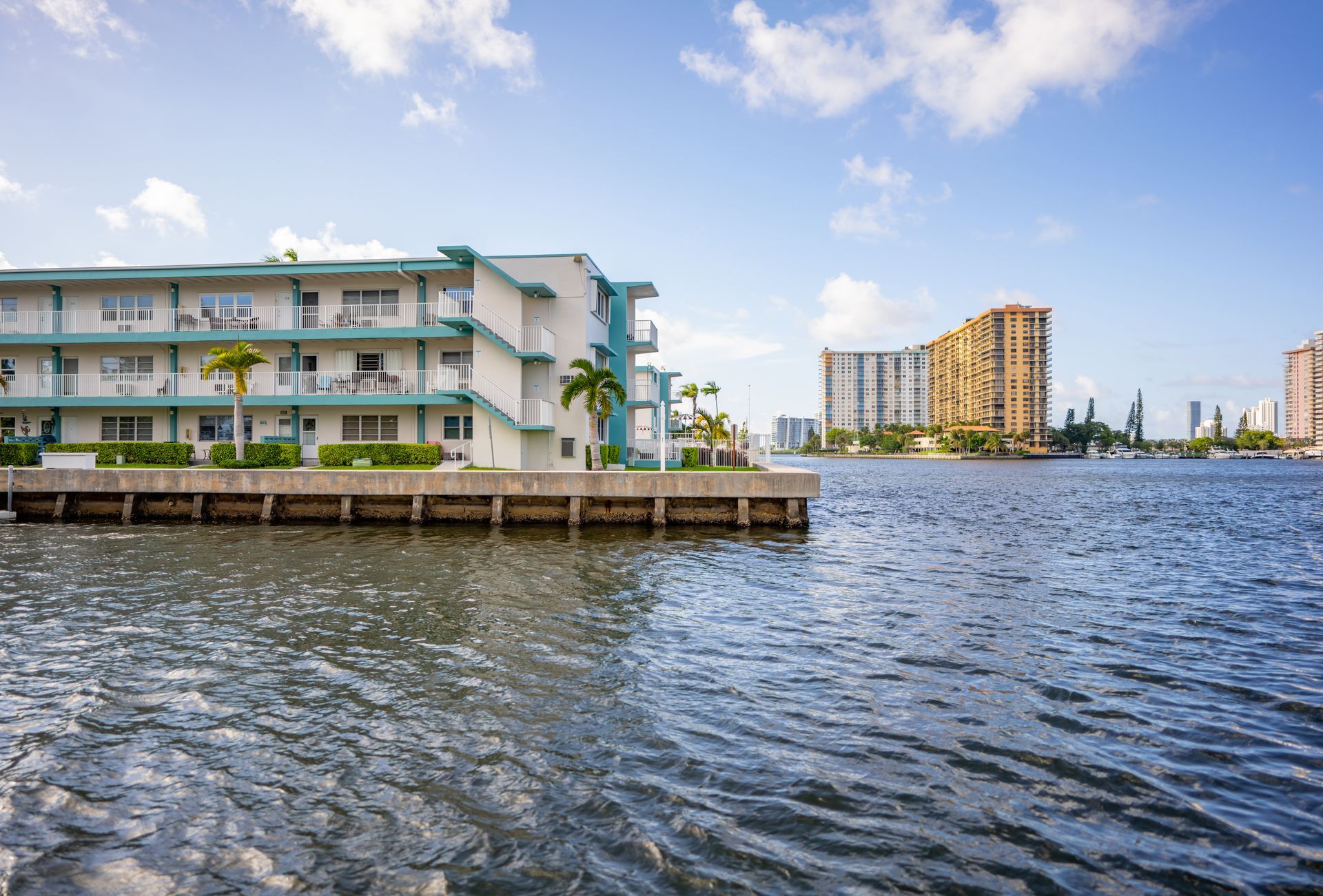
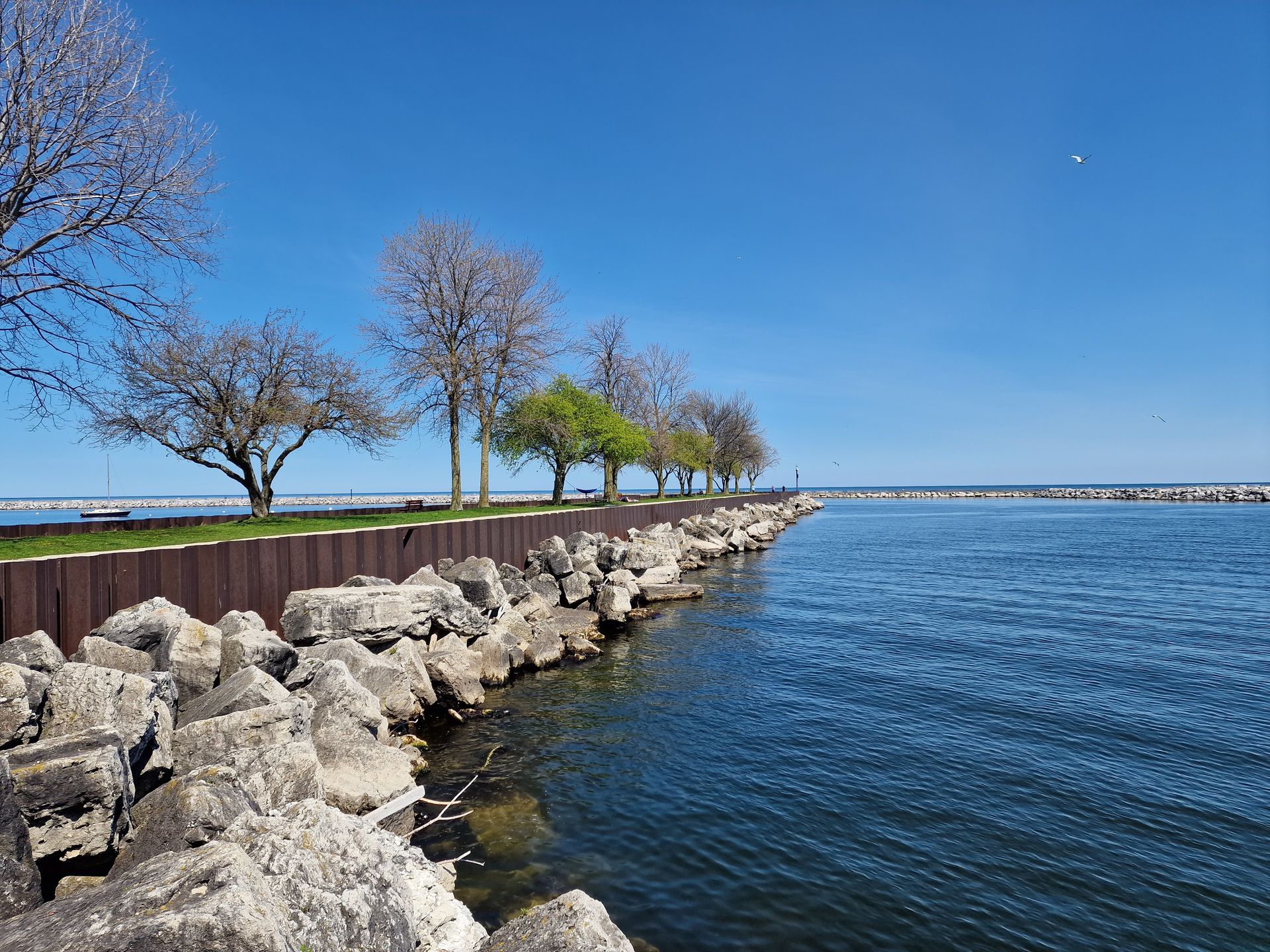
Sarasota waterfront property owners can spot a failing seawall early. This guide covers six warning signs driven by the area's tidal patterns, sandy soils, and hurricane exposure. A professional Seawall Inspection can identify problems before minor damage becomes a costly structural failure.
Six Warning Signs a Sarasota Seawall May Be Failing
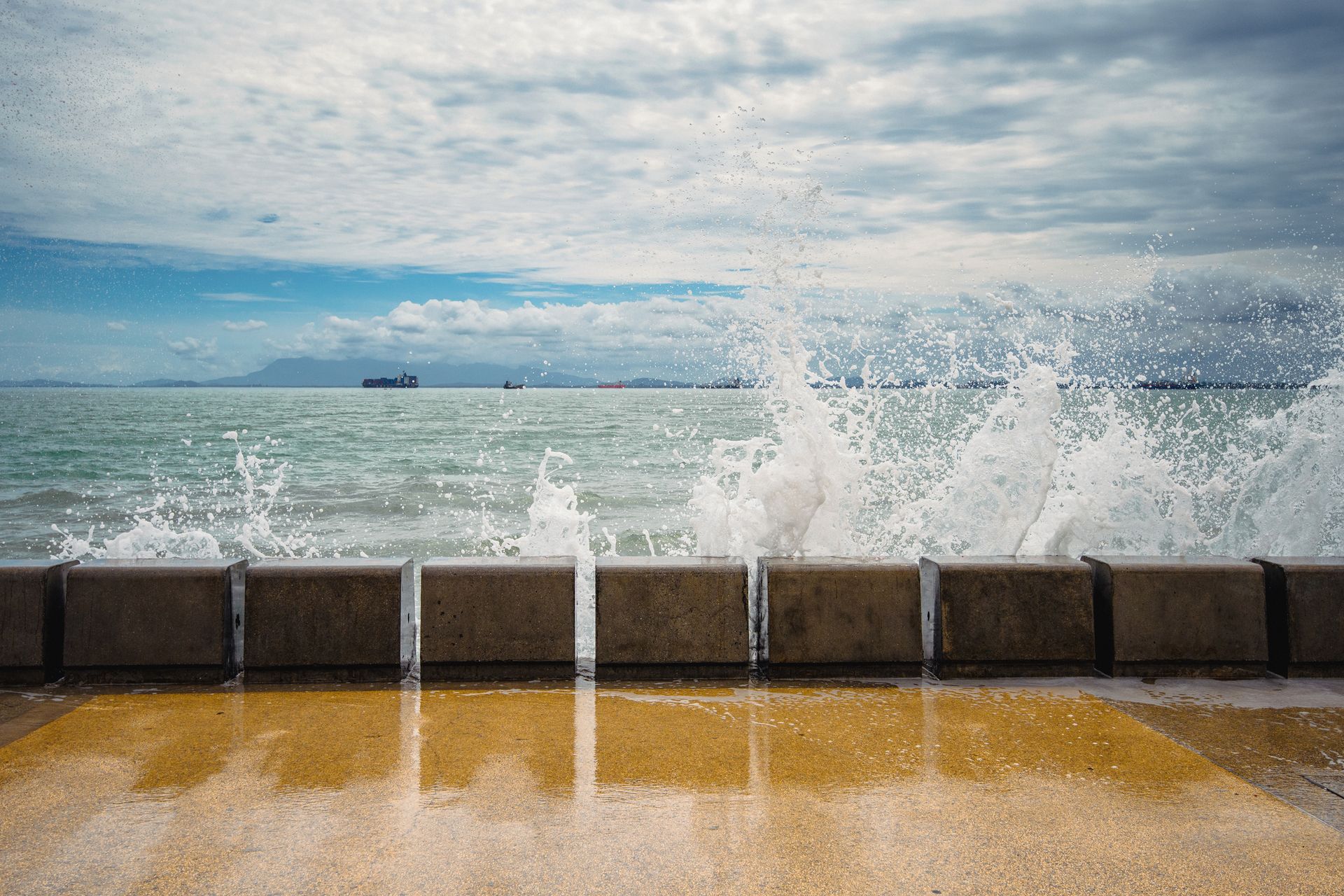
Sarasota seawalls face daily stress from Gulf tidal swings, sandy soil migration, and hurricane surge pressure. Here are six visible signals that something is wrong.
1. Visible Cracks or Crumbling Concrete
Saltwater penetrates even hairline fractures and corrodes internal steel reinforcement. Urgency: Moderate to High | small cracks can become major failures after a single storm surge.
2. Leaning or Bowing Wall Sections
A wall tilting toward the water or your property signals tie-back stress or failure. Sarasota's loose sandy soils allow voids to form behind the wall, causing sections to rotate under tidal pressure. Urgency: High | leaning walls may collapse without warning.
3. Soil Voids and Sinkholes Behind the Wall
Depressions near the base of your seawall often mean soil is washing through gaps or weep holes. Sandy soils along Siesta Key and Longboat Key corridors are especially vulnerable to backfill loss. Urgency: High | voids can undermine your yard, driveway, or building foundation.
4. Water Pooling on the Landward Side
Standing water behind your seawall after tidal events may indicate blocked or broken weep holes. When weep holes clog, hydrostatic pressure can push the wall outward. Urgency: Moderate | this escalates quickly during Sarasota's wet season or after tropical storm activity.
5. Rust Stains Streaking Down the Wall Face
Vertical orange or brown streaks indicate corroding steel tie-backs or rebar. Sarasota's saltwater environment accelerates corrosion, often progressing below the waterline where only a professional Seawall Inspection can detect it. Urgency: Moderate to High | rust-stained walls may have compromised internal structure.
6. Separation at Panel Joints
Gaps between wall panels allow soil and water to migrate freely and widen rapidly after hurricane surge. Properties near Sarasota Bay and Roberts Bay face wave energy that accelerates joint separation. Urgency: High | joint failure often precedes full panel collapse.
How Often Should You Schedule a Seawall Inspection?
Most coastal engineers recommend a thorough inspection every two to three years under normal conditions. Gulf-side properties on Siesta Key or Lido Key may benefit from annual checks. Always schedule an inspection promptly after any named storm, even without visible damage.
What Are Signs a Seawall Needs Repair?
Key signs include visible cracking, leaning or bowing panels, soil voids, rust streaking, standing water on the landward side, and open joint gaps. Any one warrants prompt professional evaluation.
How Often Should You Inspect a Seawall?
Engineers recommend inspections every two to three years, with additional checks following any significant storm or newly noticed damage.
Take Action Before Repair Costs Escalate
A failing seawall rarely improves on its own. Addressing small issues early keeps repair costs manageable, while delay often leads to full structural replacement.
Reuben Clarson Consulting provides
seawall inspection services and detailed engineering reports for Sarasota-area waterfront property owners. Call
(727) 895-4717 to schedule your assessment, or
contact the team online to get started today.